Scrolling through Google results for “art classes near me” can feel like walking into a giant craft store without a shopping list—colourful but confusing. With dozens of studios, weekend workshops, and online courses vying for attention, how do you pick the one that matches your ambition, schedule, and budget? This guide breaks the process into clear, doable steps so you can enrol with confidence and start putting paint to canvas (or hands to clay) sooner rather than later.
1. Clarify Your Creative Goals First
Before you open another tab, decide why you want an art class:
- Relaxation and hobby – a low-pressure environment, flexible timings, and mixed-media exploration usually work best.
- Skill building for design school or a portfolio – structured syllabi, feedback loops, and experienced faculty become essential.
- Social outlet for kids or seniors – look for small batches, age-segmented sessions, and plenty of hands-on time.
Writing down your goal will narrow a long list of options to those that genuinely serve your purpose.
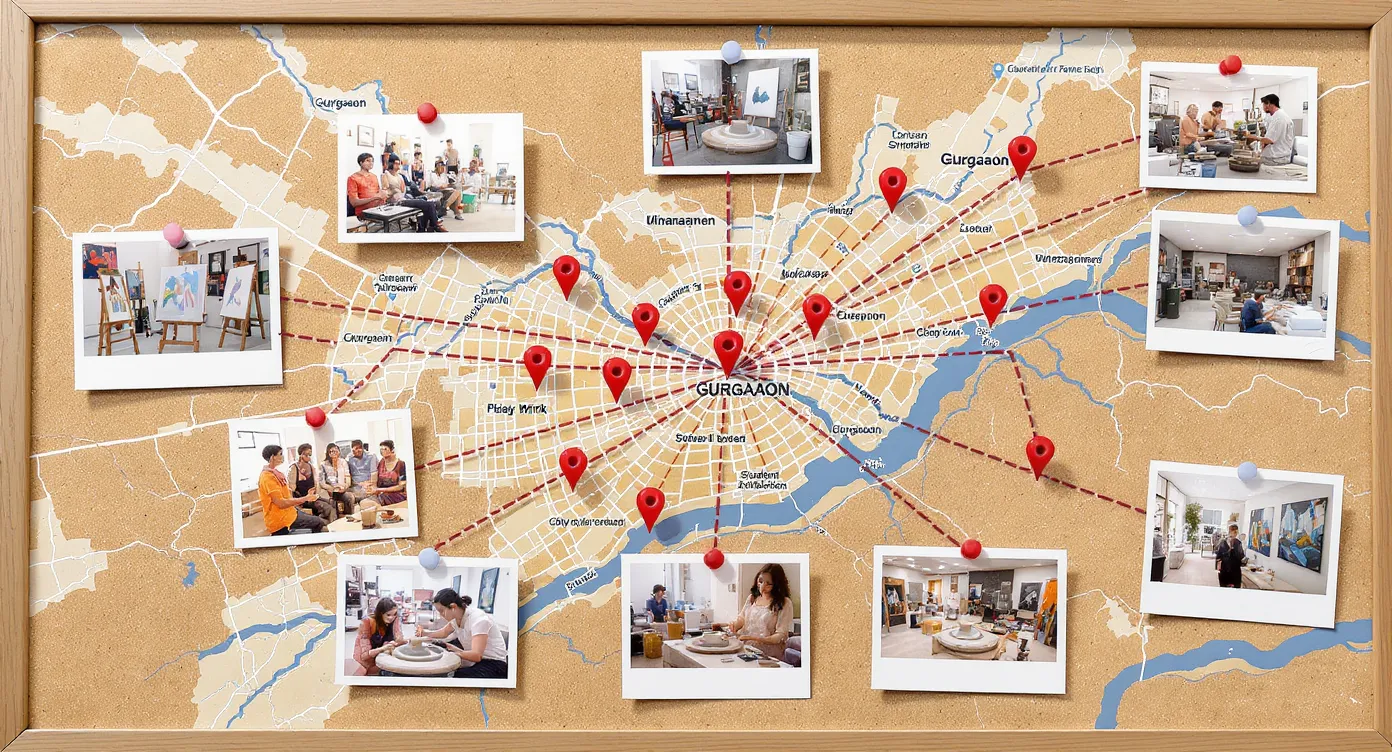
2. Shortlist Local Studios the Smart Way
The most efficient method combines digital tools with a bit of offline detective work:
| Tool | What to Check | Pro Tip |
|---|---|---|
| Google Maps | Distance, traffic at class hours, real photos | Filter by 4.5★+ ratings and “Inside photos” to judge space. |
| Instagram Reels | Student work, class vibe | Search hashtags like #GurgaonArtStudio for unfiltered posts. |
| Parent or expat forums | Safety, instructor patience | Ask for experiences with trial classes. |
| Walk-in visit | Ventilation, seating, storage | Stay 10 minutes during an ongoing session if possible. |
For a deeper look at Gurgaon’s art-education landscape, see Artshaala’s local guide here: Everything You Need to Know About Art Classes in Gurgaon.
3. Evaluate Instructor Credentials (Beyond Fancy Degrees)
Great artists are not automatically great teachers. While formal training matters, focus on:
- Demonstrated teaching experience with your age group.
- A portfolio that includes student outcomes, not just personal masterpieces.
- Ability to explain concepts in plain language—watch a demo or chat for five minutes to gauge this.
According to a 2023 National Skill Development Corporation survey, learners who rated their instructors highly for “clear feedback” were 2.3 × more likely to finish a 12-week creative course.
4. Inspect the Curriculum and Course Structure
Ask for a printed outline or a quick walkthrough of what a typical month looks like. Look for:
- Balanced mix of theory (colour theory, composition) and practice.
- Progressive skill-building rather than random one-off projects.
- Opportunities for exhibitions, contests, or portfolio reviews.
If you are preparing for NIFT, NID, or CEED entrance exams, confirm that problem-solving and rapid sketch modules are included.
5. Consider Class Format and Batch Size
Different formats suit different learning styles:
| Format | Duration | Best For | Typical Batch Size |
|---|---|---|---|
| Weekend workshop | 3–6 hours | One-off skill (e.g., lino printing) | 6–15 |
| Regular weekly class | 60–90 min | Long-term growth, kids’ routines | 8–12 |
| Boot camp | 20–30 hours over 2 weeks | Exam crash course | 12–20 |
| Online live session | 60–75 min | Remote learners, adults with tight schedules | 10–18 |
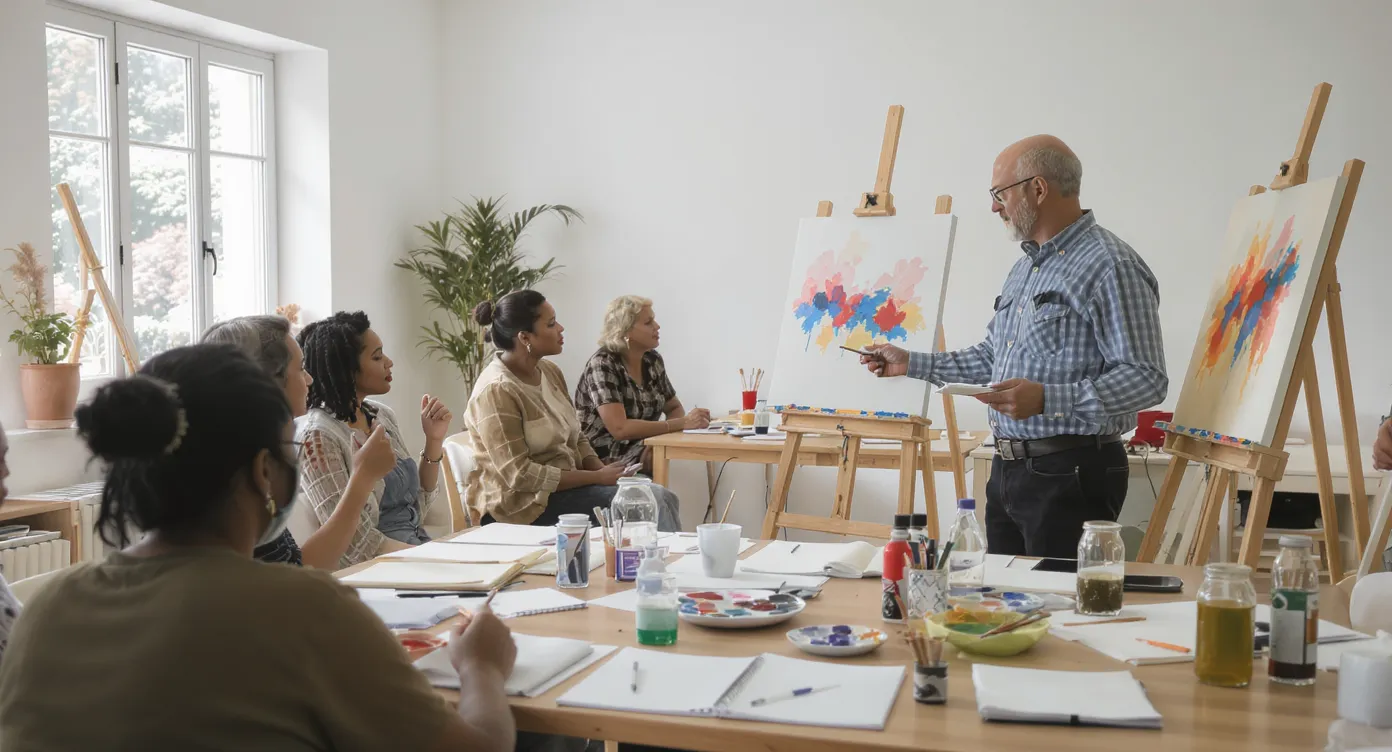
Smaller groups (under 12) usually translate to more individual feedback—crucial for technique-intensive media like watercolours or sculpting.
6. Budget Wisely: What Does “Value” Look Like?
Price is more than the class fee. Consider:
- Materials – Are paints, brushes, or clay included?
- Make-up sessions – Life happens; find out the reschedule policy.
- Certification – A branded certificate or recognised diploma may justify a higher cost if you need credentials.
In Gurgaon, weekly kids’ classes often range from ₹2,500–₹4,000 per month, while intensive adult courses can touch ₹15,000 for eight sessions. Always compare inclusions line by line.
7. Take a Trial Class—Then Reflect
A single session can reveal more than hours of online research. During your trial, notice:
- Instructor’s responsiveness to questions.
- Classroom ergonomics (lighting, seating posture support).
- Peer group energy—do you feel encouraged or intimidated?
Afterwards, jot down immediate impressions while they’re fresh. If you didn’t feel excited to return, keep looking.
8. Look for Community and Growth Opportunities
Creativity flourishes in company. Examine whether the studio offers:
- Annual student exhibitions.
- Guest artist talks.
- Weekend sketch-walks or plein-air outings.
- An alumni WhatsApp group for critique and support.
A vibrant community often translates into sustained motivation and faster skill progression.
9. Safety and Hygiene Are Non-negotiable
Post-2020, ask about:
- Regular sanitisation of shared tools.
- Air purifiers or open windows for ventilation.
- Child-safe materials (non-toxic paints, rounded tools).
Studios that articulate their safety protocol openly tend to be organised in other operational aspects too.
10. Final Checklist Before You Enrol
- Have you compared at least three options?
- Does the class timing integrate smoothly with work or school schedules?
- Is the commute realistic during peak traffic?
- Did the fee structure match the deliverables?
- Most importantly, did you enjoy the trial experience?
If you can tick all five boxes, you have likely found your match.
Frequently Asked Questions
What is the ideal age for a child to start formal art classes? Most children show readiness around 3.5 to 4 years when their fine-motor skills can handle crayons and safety scissors.
How much time per week should I allocate to see progress? Two focused hours of guided work plus one hour of home practice is a realistic benchmark for noticeable improvement within three months.
Are online art classes as effective as in-person sessions? For foundational drawing and colour theory, online can work well. However, tactile media like pottery benefit greatly from physical studios.
What should I bring to my first class? Usually just enthusiasm and a rough apron. Reputable studios lend starter kits or include materials in the fee—confirm during booking.
Can art classes improve academic performance? Multiple studies, including a 2022 UNESCO report, link creative practice to better problem-solving and memory retention, which can indirectly boost academic outcomes.
Ready to Paint Your Own Story?
If you are in or around Gurgaon and ticking those checklist boxes still feels overwhelming, visit Artshaala for a free, no-pressure trial session. Our supportive instructors, small batches, and flexible online–offline options make it easy to turn creative curiosity into tangible skills. Book your slot today at artshaala.com and let every brushstroke begin a new chapter.